Skip to the page
Molecule & Menu

Why food works, and what dinner used to be.

Cooking Science

What heat, water, time and acidity do to food in the pan, the pot and the oven, explained as mechanisms with their conditions; never recipes, food-safety instructions or product tests.

5 pages; the first card is the place to start

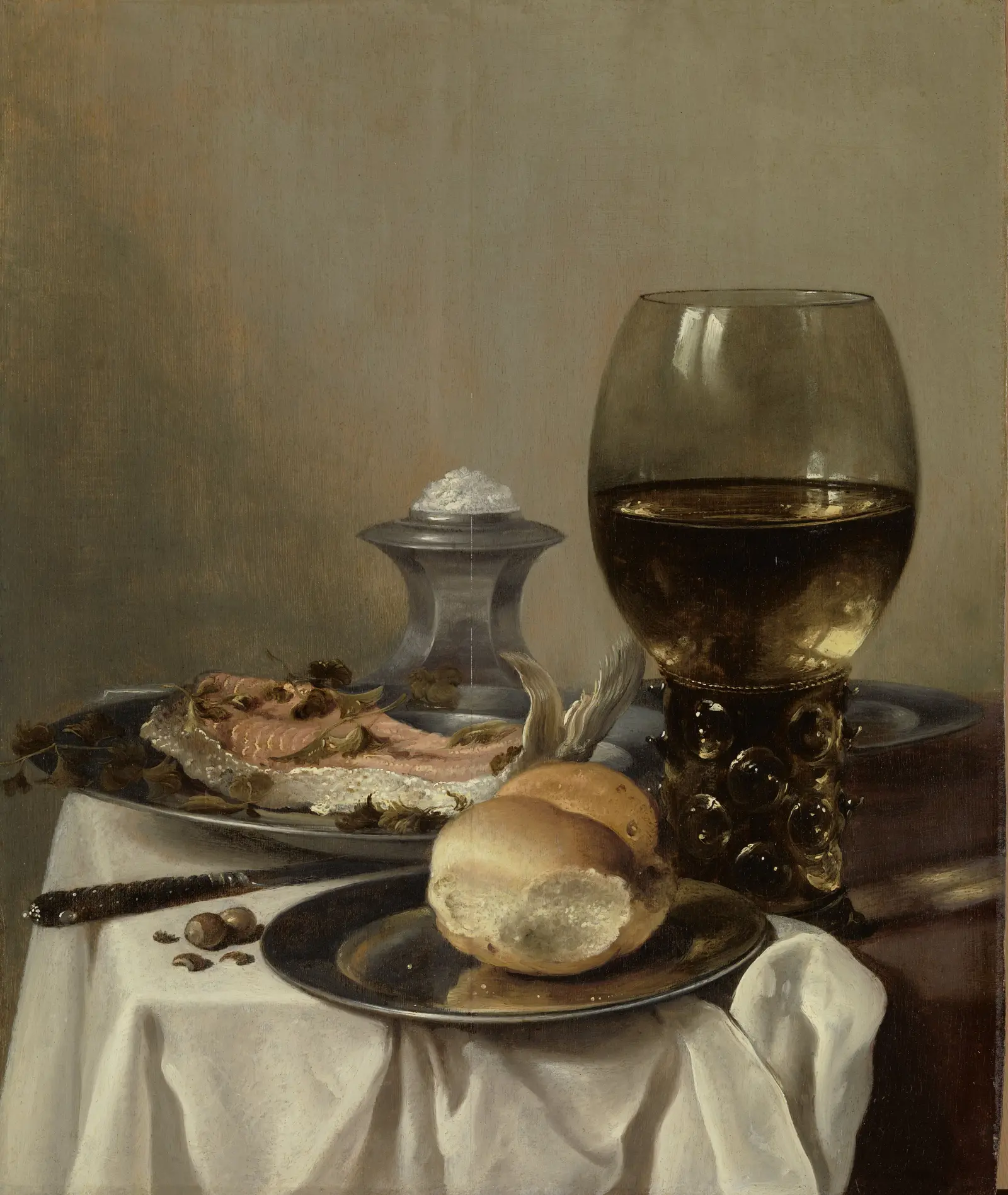
Pieter Claesz still life: a golden-brown bread roll on a pewter plate beside fish, a salt cellar and a wine glass

Cooking Science

Maillard Reaction: Browning Has No Starting Temperature

The Maillard reaction has no on-switch: a 2025 review cites it in frozen storage. This page's Arrhenius estimates show how much faster it runs from 60 to 180°C.

Picture credit

"Stilleven met een zoutvat (Still Life with a Salt Cellar)" by Pieter Claesz — https://commons.wikimedia.org/wiki/File:Stilleven_met_een_zoutvat,_SK-A-4839.jpg — CC0 1.0 (https://creativecommons.org/publicdomain/zero/1.0/)
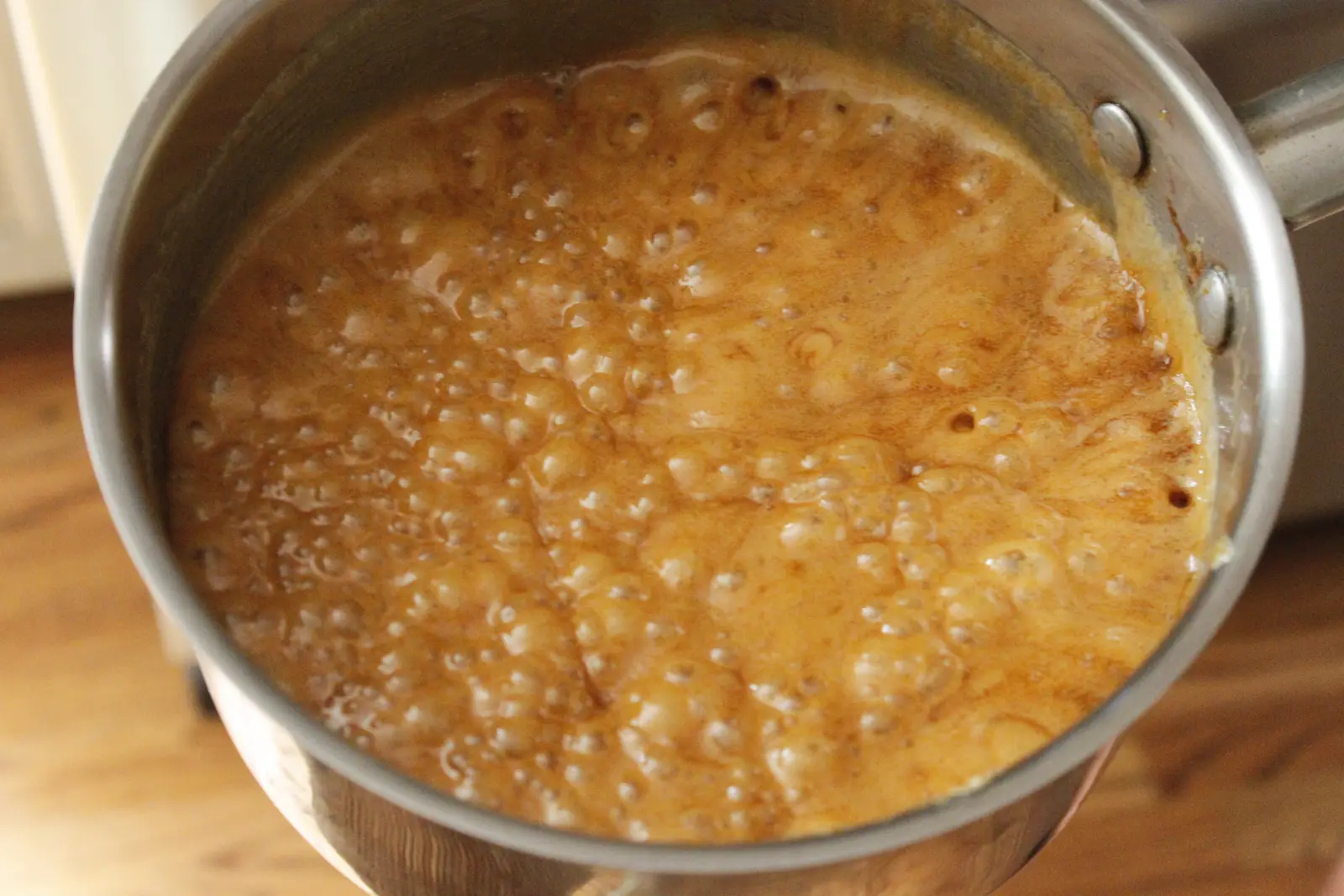
Caramel bubbling in a stainless steel saucepan, amber and covered in small bubbles

Cooking Science

Caramelization: A 2011 Study Tied Sugar Melting to Heat Rate

Caramelization browns sugar without amino acids. In a 2011 study, sugar’s apparent melting point shifted with heating rate; a 2012 comment and reply followed.

Picture credit

"Boiling caramel in a pot" by Personal Creations — https://commons.wikimedia.org/wiki/File:Boiling_caramel_in_a_pot_(15092657599).jpg — CC BY 2.0 (https://creativecommons.org/licenses/by/2.0/)

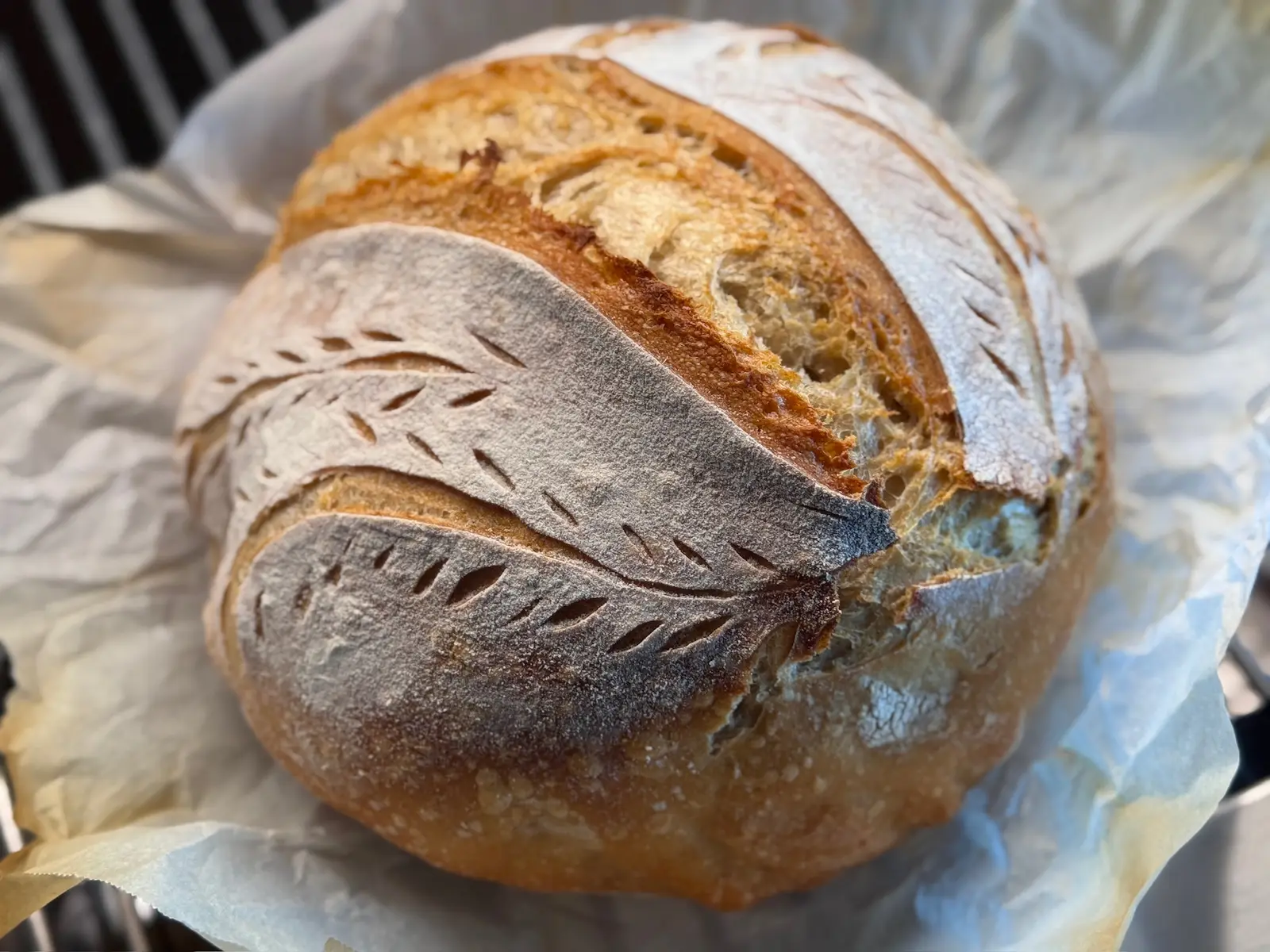
A round sourdough loaf on baking paper, floured and scored with leaf patterns; the main cut has burst open

Cooking Science

Why Does Bread Rise? Gas From Yeast, Then Heat Takes Over

Why does bread rise? Yeast fills dough with CO2; in the oven, heat swells the gas and adds steam until the pores open and the dough sets, per 2025–2026 studies.

Picture credit

"Sourdough bread with decorative scores" by SueRostvold — https://commons.wikimedia.org/wiki/File:Sourdough_bread_with_decorative_scores.jpg — CC BY 4.0 (https://creativecommons.org/licenses/by/4.0/)

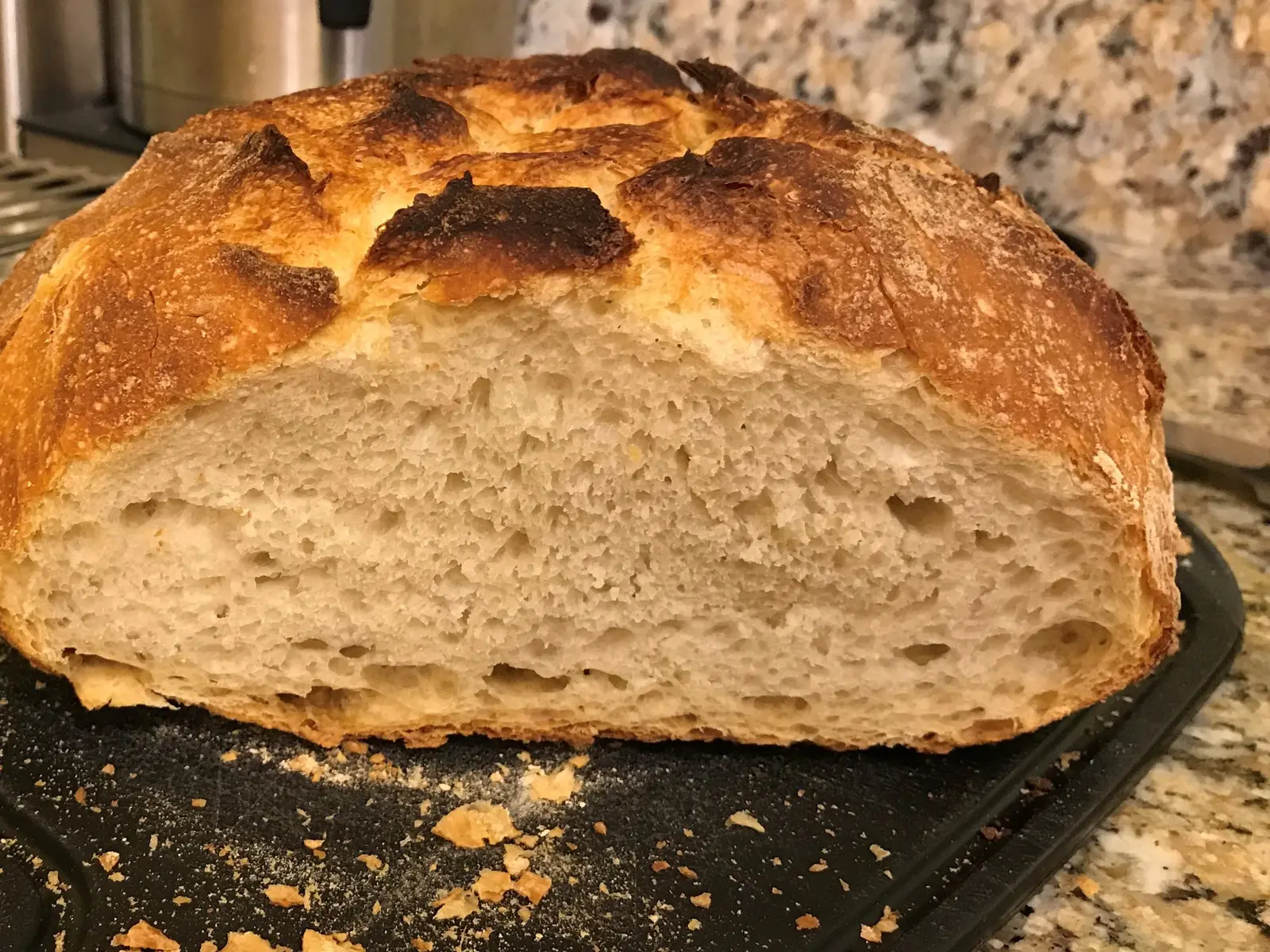
A sourdough loaf cut in half on a dark board, showing a browned, scored crust and an open, holey crumb

Cooking Science

Sourdough Starter: Its Bacteria Usually Outnumber Its Yeasts

In counts a 2022 review cites, a mature sourdough starter’s lactic acid bacteria outnumber its yeasts 10 to 100 times. Who makes the acid? Does place matter?

Picture credit

"Sliced loaf of sourdough bread" by Nutrition, Food Safety & Health (Flickr) — https://commons.wikimedia.org/wiki/File:Sliced_loaf_of_sourdough_bread.jpg — CC0 1.0 (https://creativecommons.org/publicdomain/zero/1.0/); modified: cropped to remove appliances and a brand mark at upper left

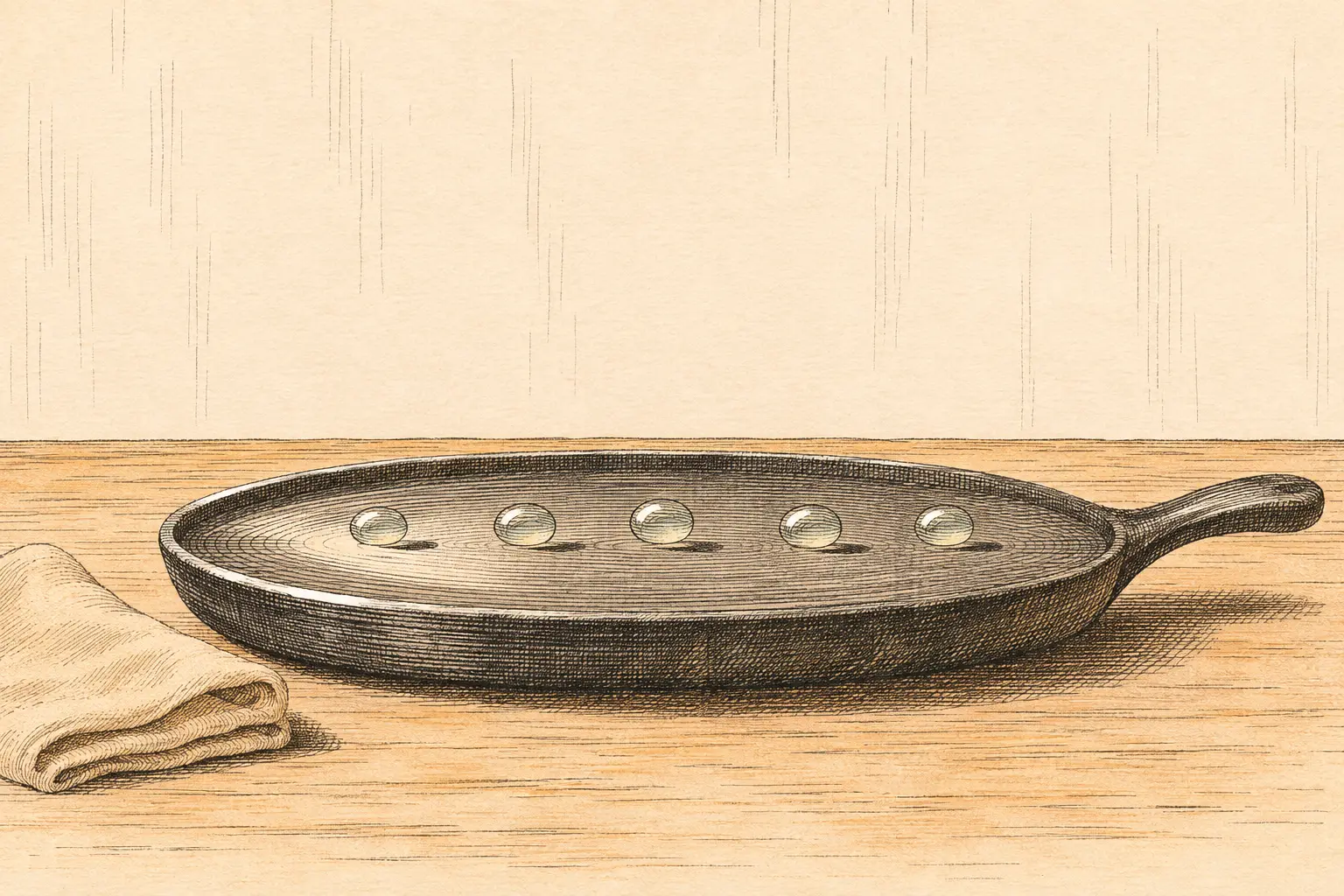
Illustration: small round water drops hovering on the dry surface of a hot cast-iron pan

Cooking Science

Leidenfrost Effect: Water Drops Hover on Their Own Vapor

A water drop on a very hot surface can hover on its own vapor instead of boiling. How the vapor cushion works, and why its onset shifts with the surface.

Picture credit (illustration)

Illustration: Molecule & Menu. Generated schematic illustration — not a photograph or historical record. Reuse: CC BY 4.0 (https://creativecommons.org/licenses/by/4.0/), to the extent Molecule & Menu holds rights in this image.